
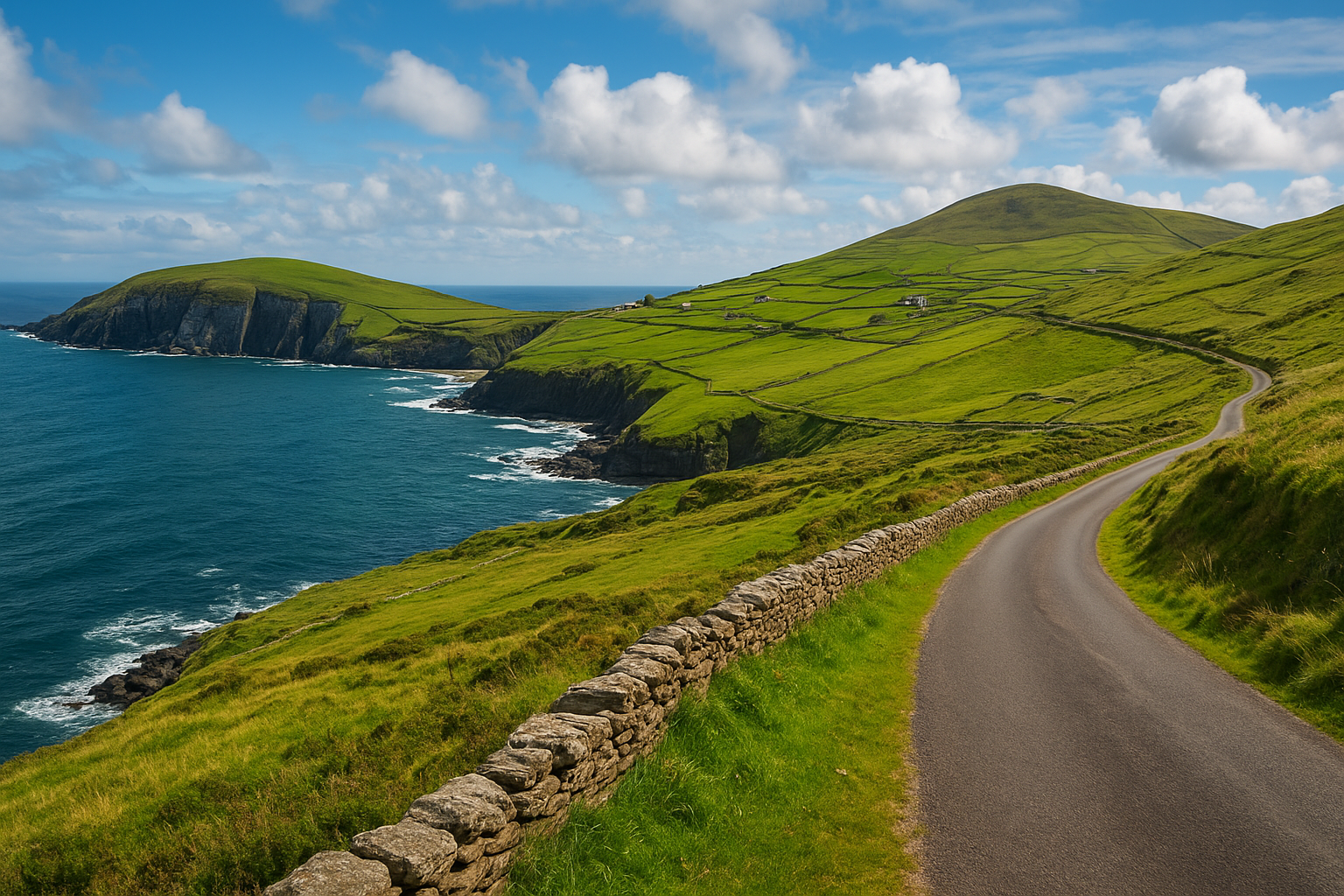
Traveling through Ireland is a dream for many, but the costs can add up quickly if you’re not prepared. The good news? Ireland can be surprisingly affordable when you know how to plan smartly. From transportation and accommodations to food and attractions, there are many ways to enjoy the Emerald Isle without overspending.
This guide is designed for travelers who want to experience the best of Ireland—its landscapes, culture, and history—while keeping daily costs under control. With the right strategies, you can stretch your budget and still enjoy an unforgettable trip.
Why Ireland Feels Expensive—and How to Beat That
Ireland is not a “cheap” destination, mainly due to:
- Higher accommodation prices
- Strong demand in summer
- City food and drink costs (especially Dublin)
- Transportation between cities
But the country is also full of:
- Free natural attractions
- Free museums
- Affordable public transportation
- Low-cost meals if you know where to look
By planning ahead, you can reduce expenses significantly.
Choose the Right Time to Travel
The season you choose can make a big difference in your total budget.
Best Budget-Friendly Months
- April–May (spring shoulder season)
- September–October (autumn shoulder season)
During these months you get:
- Cheaper accommodation
- Fewer tourists
- Mild weather
- Lower flight prices
Avoid High Season
June, July, and August are the most expensive months in Ireland. Hotels can double in price.
If your travel dates are flexible, choose spring or autumn to save money.
Save on Accommodation: Where to Stay on a Budget
Accommodation is usually your biggest expense in Ireland, so smart choices here make a huge impact.
Stay in Hostels
Modern hostels in Ireland are clean, safe, and often include:
- Free breakfast
- Free lockers
- Social spaces
- Laundry facilities
Prices range from €25–€45 per night.
Budget Hotels & B&Bs
Bed & Breakfasts can be cheaper than hotels and often include a full Irish breakfast.
This alone can save you around €10–€15 per day on food.
Stay Outside the City Center
In Dublin especially:
- Staying 15–20 minutes outside the center can save €30–€50 per night.
Book Early
Ireland’s hotels fill up quickly, especially in summer and around events.
Save Money on Food: Eat Like a Local
Food can quickly become expensive if you eat every meal in tourist areas. But there are many budget-friendly options.
Eat at Pubs Instead of Restaurants
Irish pubs often serve:
- Hearty meals
- Generous portions
- Lower prices
Pub meals cost €12–€18, compared to €20–€35 in sit-down restaurants.
Try Grocery Stores
Shops like Tesco, Lidl, and Aldi offer:
- Sandwiches for €3–€4
- Snacks for €1–€2
- Ready meals for €4–€7
Perfect for a cheap lunch.
Avoid Tourist Traps
Areas around Temple Bar in Dublin are especially expensive. Walk a few streets away and prices drop significantly.
Cook if You Can
If your hostel or Airbnb has a kitchen, cooking even one meal a day saves a lot.
Use Public Transportation
Ireland’s public transportation system is surprisingly affordable when used smartly.
Take Buses Instead of Trains
Buses are usually:
- Cheaper
- More frequent
- Easier for long-distance trips
For example:
- Dublin → Galway by train: €20–€35
- Dublin → Galway by bus: €10–€19
Get a Leap Card in Dublin
The Leap Card saves around 20–30% on:
- Buses
- Luas (tram)
- DART trains
Walk Whenever Possible
Most cities in Ireland are highly walkable.
Galway, Kilkenny, Cork, and Limerick all have compact city centers.
Rent a Car Smartly (or Skip It)
Car rentals can be expensive, but sometimes necessary to reach rural areas.
How to Save on Car Rentals
- Book early (prices jump last minute)
- Avoid airport pickups if possible
- Choose a manual car (automatic is much more expensive)
- Rent for fewer days and use buses for city travel
Consider Sharing Costs
If traveling with friends or a partner, dividing fuel and rental costs makes road trips much cheaper.
Save on Attractions and Tours
Ireland is full of free attractions.
Free Things to Do
- National museums in Dublin
- Beaches and cliff walks
- Killarney National Park
- Botanical gardens
- Castles and ruins you can explore from outside
Cheap or Low-Cost Activities
- Cliffs of Moher visitor center (€8–€12)
- Walking tours (tip-based)
- Coastal hikes
Book Tours Online in Advance
Day tours to:
- Cliffs of Moher
- Ring of Kerry
- Giant’s Causeway
- Connemara
Are cheaper when booked ahead online.
Save on Drinks and Nightlife
Ireland is famous for its pub culture, but drinking in Ireland gets expensive fast.
Ways to Save
- Avoid drinking in tourist areas
- Go to local neighborhood pubs
- Drink during happy hours when available
- Choose local beers instead of imported brands
Tip: Limit Temple Bar
Temple Bar is iconic, but pints here cost €8–€10, compared to €5–€6 elsewhere.
Use Free Walking Tours
Most Irish cities offer free (tip-based) walking tours led by knowledgeable guides.
These tours:
- Help you learn local history
- Show hidden spots
- Require no fixed price
It’s one of the best value experiences in Ireland.
Choose Cities Wisely
Some cities are more expensive than others.
More expensive:
- Dublin
- Galway
- Killarney
More budget-friendly:
- Limerick
- Cork
- Waterford
- Derry
- Sligo
Staying in cheaper cities and taking day trips saves a lot.
How Much You Can Save With Smart Planning
Here’s how a budget traveler can reduce daily costs:
Without planning: €150–€190 per day
(accommodation, meals, transport, attractions)
With smart budget strategies: €70–€110 per day
A huge difference for longer trips.
Final Thoughts: Ireland Can Be Affordable
Ireland may have a reputation for being expensive, but with the right strategies, you can travel comfortably on a reasonable budget.
By choosing the right transport, accommodations, food options, and activities, you’ll enjoy everything Ireland has to offer—without stressing about money.
Whether you’re backpacking, taking a family trip, or planning a long stay, Ireland can absolutely be explored on a budget.