
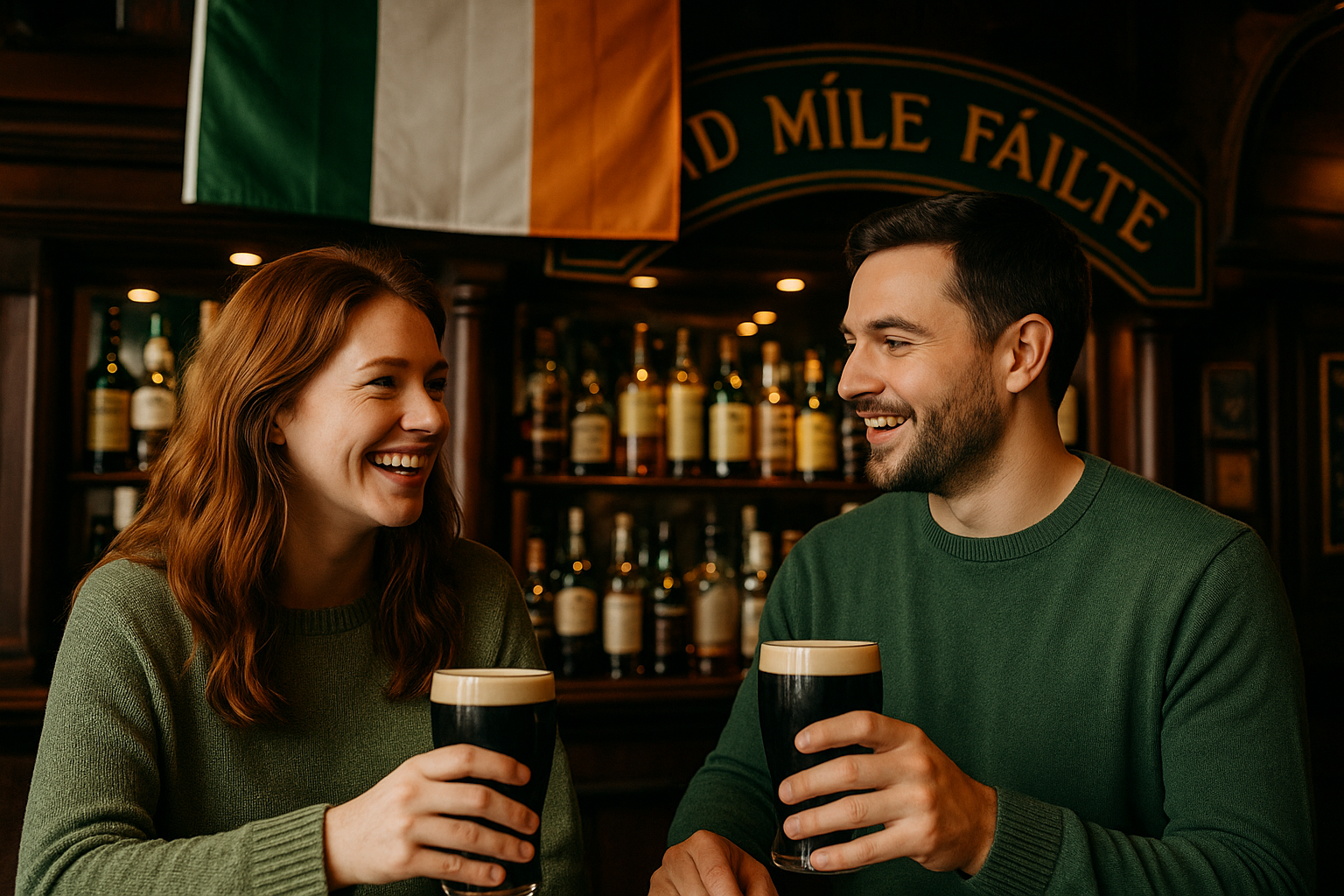
When planning a trip to Ireland, you’re likely dreaming about dramatic coastlines, cozy pubs, and perhaps a few castles. But to truly appreciate the Emerald Isle, you need to understand what makes it beat at its heart: its culture. Rich, layered, and rooted in centuries of tradition, Irish culture is one of the most captivating aspects of visiting the country.
In this guide, you’ll discover the most important Irish traditions and cultural nuances to help you experience Ireland not just as a tourist, but as a respectful and curious traveler.
The Spirit of Irish Hospitality
The Irish are world-famous for their warmth and friendliness. Don’t be surprised if strangers strike up conversations with you in a pub, on the street, or even on public transportation.
What to Expect:
- Politeness is key – Manners matter a lot. Always say “please,” “thank you,” and “sorry,” even if you’re not at fault.
- Small talk is common – Locals love chatting about the weather, sports, or your travels.
- Invitations are genuine – If someone invites you for tea or to join them at a pub, it’s usually a sincere offer.
Pub Culture Is Sacred
Irish pubs are not just about drinking. They are community hubs, full of storytelling, music, and camaraderie.
Pub Etiquette:
- Don’t rush – Pubs are places to relax and unwind.
- Round system – It’s traditional for people in a group to buy rounds of drinks for each other.
- Live music is respected – If there’s a traditional music session (a “seisiún”), listen and enjoy. Talking loudly over the musicians is frowned upon.
- Chat with the bartender – Bartenders are often friendly and full of local insights.
Traditional Irish Music and Dance
Music and dance are central to Irish identity and can be found across cities and rural villages alike.
Key Traditions:
- Instruments include the fiddle, bodhrán (drum), tin whistle, and uilleann pipes.
- Ceílí dancing – These are social folk dances performed in groups, often seen at community events.
- Storytelling through song – Many Irish songs recount historical events, legends, or personal tales.
Even if you don’t know the steps, locals are usually happy to teach you a few moves.
The Irish Language
While English is the primary language, Irish (Gaeilge) is still an essential part of the culture.
Language Facts:
- Road signs are in both Irish and English.
- Irish is taught in schools and spoken in certain regions known as the Gaeltacht.
- Common Irish phrases:
- Sláinte! (Cheers!)
- Craic (pronounced “crack”) – means fun or good times, as in “What’s the craic?”
- Céad míle fáilte – “A hundred thousand welcomes”
You don’t need to speak Irish, but recognizing and respecting it is a thoughtful gesture.
Festivals and Celebrations
Ireland knows how to throw a celebration—many of which are rooted in history, religion, or seasonal change.
Notable Traditions:
- St. Patrick’s Day (March 17th) – Ireland’s national holiday, marked by parades, music, and lots of green.
- Samhain (October 31st) – The ancient Celtic festival that inspired Halloween.
- Bloomsday (June 16th) – Celebrates James Joyce’s Ulysses with costume events and readings.
- Imbolc (February 1st) – Marks the beginning of spring and honors Brigid, a Celtic goddess and saint.
Superstitions and Folklore
The Irish have a long-standing love for myths, legends, and a bit of superstition.
Common Beliefs:
- Fairies (The “Good People”) – Many rural Irish still respect fairy lore. It’s bad luck to disturb fairy trees or forts.
- Leprechauns – Mischievous shoemakers from folklore, often associated with gold and rainbows.
- Banshee – A mythical spirit who is said to wail before a death in the family.
While these stories may not be taken literally, they’re cherished and told with pride.
Irish Cuisine and Mealtime Traditions
Food in Ireland is hearty and rooted in local ingredients.
Cultural Tips:
- Tea is sacred – It’s offered during visits, after meals, and in times of celebration or sorrow.
- Home cooking is big – Family recipes for stews, soda bread, and potato-based dishes are passed down.
- Pub food is popular – Meals like shepherd’s pie, fish and chips, and Irish breakfast are served in most pubs.
Don’t leave without trying Irish stew or black pudding—both are staples of Irish cuisine.
Sporting Passion
Ireland’s sports are not only entertainment—they’re part of the national identity.
Top Sports:
- Gaelic football and hurling – Managed by the GAA (Gaelic Athletic Association), these sports are intensely local and widely beloved.
- Rugby – A major sport, especially during international tournaments.
- Soccer – Popular, though not as culturally significant as GAA sports.
If you have a chance, attend a local GAA match. The atmosphere is unforgettable.
Religious and Spiritual Traditions
While modern Ireland is more secular than it once was, Catholicism has had a profound influence on Irish culture.
You May Notice:
- Many older locals attend Mass regularly.
- Religious holidays like Christmas and Easter are celebrated both spiritually and culturally.
- Shrines and religious statues are common in rural areas.
That said, Ireland today is diverse and increasingly multicultural, especially in cities like Dublin and Galway.
Minding the Humor: Irish Wit and Sarcasm
Irish humor is often dry, ironic, and full of sarcasm. Don’t be offended—it’s often a sign of affection!
Understanding the Humor:
- Teasing among friends is normal.
- Self-deprecating humor is common.
- “Taking the piss” (gently mocking someone) is part of social bonding.
If you can laugh at yourself, you’ll fit right in.
Understanding Irish Time and Pacing
Life in Ireland tends to move at a slower, more relaxed pace than in many large cities.
What to Know:
- People are rarely in a rush—expect flexibility in schedules.
- Queues (lines) are respected.
- Locals may give vague directions like “down the road” or “just a bit.”
Embrace the relaxed rhythm and enjoy the journey.
Final Thoughts: Immerse Yourself, Don’t Just Visit
To truly enjoy Ireland, don’t just visit the landmarks—experience the culture. Sit in a pub and listen to live music. Chat with a local. Try new foods. Learn a few Irish phrases. Respect the traditions, and you’ll find that the Irish spirit welcomes you with open arms.
Whether it’s your first time or your fifth, knowing these cultural elements will make your trip richer, deeper, and much more meaningful.
Sláinte! 🇮🇪