
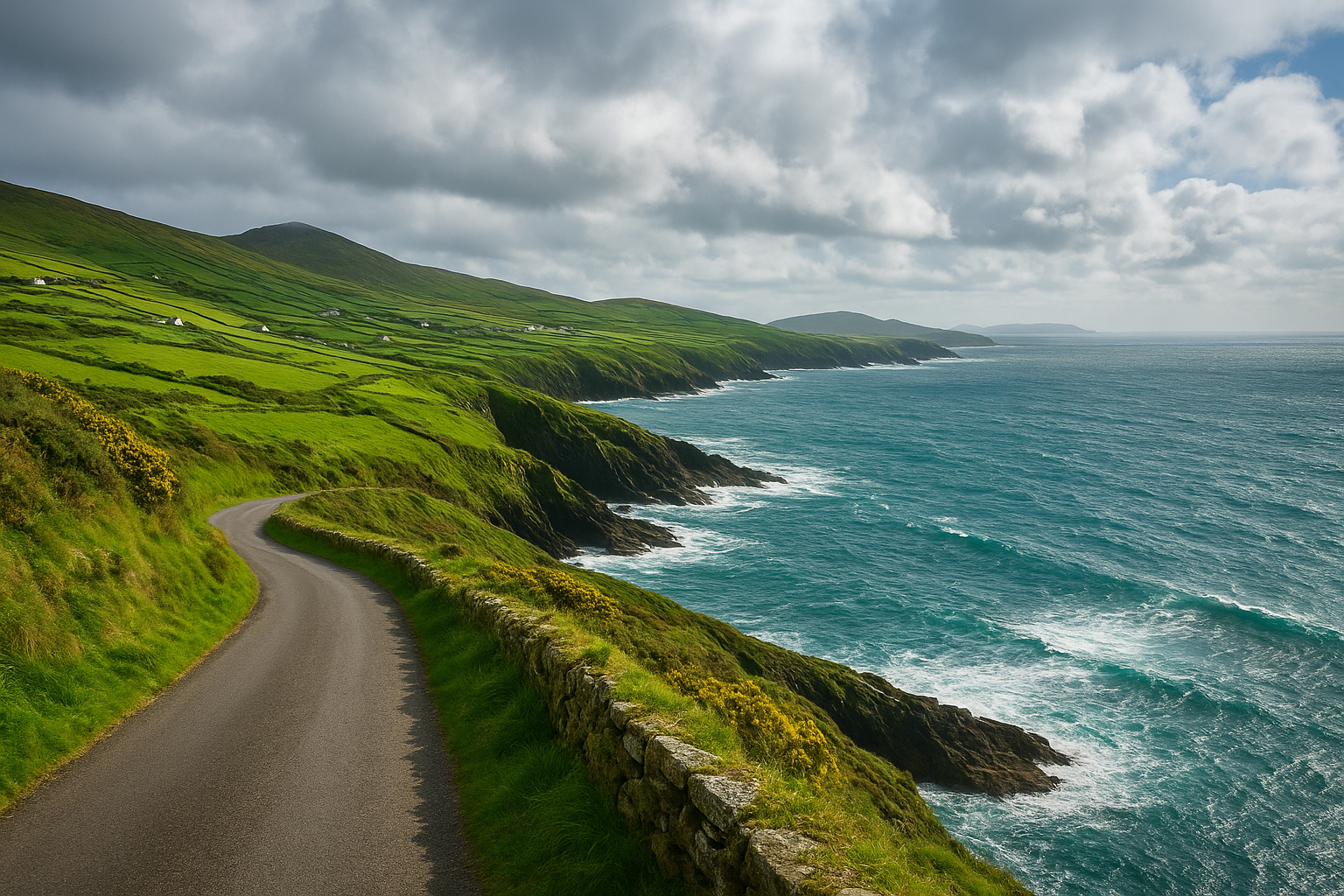
Ireland is known for its dramatic landscapes, green fields, misty coastlines, and ever-changing skies. But for travelers planning a trip, the question always comes up: What is the weather like in Ireland?
The truth is that Ireland’s weather can be unpredictable, but that unpredictability is part of its charm. Understanding each season can help you pack correctly, plan your activities, and enjoy your trip regardless of rain or sunshine.
This guide breaks down Ireland’s weather month by month and season by season, giving first-time visitors a clear idea of what to expect throughout the year.
Ireland’s Climate: A Quick Overview
Ireland has a mild, temperate maritime climate, strongly influenced by the Atlantic Ocean and the Gulf Stream. This means:
- Winters are mild compared to Northern Europe
- Summers are cool and pleasant
- Rain is common year-round
- Temperature extremes are rare
On average:
- Winter temperatures range from 4°C to 9°C (39°F to 48°F)
- Summer temperatures range from 15°C to 22°C (59°F to 72°F)
The weather changes fast—sunshine can turn to rain and back again within minutes. Layers are your best friend!
Spring in Ireland (March to May)
Spring is one of the best times to visit Ireland. Flowers begin to bloom, temperatures start rising, and days get longer.
Weather Characteristics
- Temperatures: 8°C to 15°C (46°F to 59°F)
- Mix of sunny and rainy days
- Light breezes and occasional chilly mornings
What Spring Feels Like
In March, the weather is still cool, but by late April and May, Ireland becomes vibrant and colorful. This is an excellent season for outdoor activities like hiking, visiting national parks, and coastal walks.
Spring Travel Tips
- Bring a waterproof jacket
- Wear breathable layers
- Expect unpredictable showers
- Enjoy lower tourist crowds compared to summer
Summer in Ireland (June to August)
Summer is Ireland’s warmest, brightest, and busiest season. It’s the time when locals and tourists alike enjoy long evenings and outdoor festivals.
Weather Characteristics
- Temperatures: 15°C to 22°C (59°F to 72°F)
- Long daylight hours (up to 17 hours in June)
- Mild temperatures with occasional heatwaves (rare)
What Summer Feels Like
Summer in Ireland is refreshing rather than hot. The countryside becomes lush, the ocean looks stunning, and cities host many cultural events. Rain still happens, but usually in short bursts.
Summer Travel Tips
- Book accommodation early (peak season)
- Pack light layers for evenings
- Wear comfortable shoes for long walks
- Bring sunscreen—yes, you may need it!
Autumn in Ireland (September to November)
Autumn brings beautiful colors, cooler temperatures, and fewer crowds. It’s a fantastic time for photography and slow travel.
Weather Characteristics
- Temperatures: 10°C to 17°C (50°F to 63°F)
- More rainfall than summer
- Crisp mornings and early sunsets
What Autumn Feels Like
September often feels like an extension of summer, with mild temperatures and golden light. October brings colorful foliage, while November becomes noticeably colder and wetter.
Autumn Travel Tips
- Ideal for scenic drives
- Bring warm layers and waterproof shoes
- Enjoy lower travel prices
- Expect shorter days in November
Winter in Ireland (December to February)
Ireland’s winters are mild compared to other European countries, but they can be wet and windy. Snow is uncommon except in higher elevations.
Weather Characteristics
- Temperatures: 4°C to 9°C (39°F to 48°F)
- Frequent rain and strong winds
- Short daylight hours (as little as 7–8 hours)
What Winter Feels Like
Winter days are cozy, especially in small towns and pubs with fireplaces. While it may not be ideal for long hikes, winter offers a peaceful, atmospheric version of Ireland that many travelers love.
Winter Travel Tips
- Bring warm, waterproof clothing
- Plan indoor activities like museums or castle tours
- Expect early sunsets around 4 PM
- Roads can be slippery after rainfall
Regional Weather Differences in Ireland
Although Ireland is a small island, different regions experience slightly different weather patterns.
West Coast
Includes Galway, Limerick, Clare, and Kerry.
- Wetter than the east
- More dramatic landscapes
- Stronger winds
East Coast
Includes Dublin, Wicklow, and Wexford.
- Drier and slightly warmer
- More sunshine in summer
North
Includes Donegal and Northern Ireland.
- Cooler overall
- Unpredictable weather with sudden rain showers
South
Includes Cork and Waterford.
- Mild temperatures
- Pleasant summers
Monthly Weather Breakdown
January & February
- Coldest months
- Short days
- Best for indoor cultural activities
March
- Start of spring
- Slightly warmer
- Unpredictable rain
April
- More sunshine
- Great for hiking and outdoor activities
May
- One of the best months for travel
- Long days and mild temperatures
June
- Warm and bright
- Festivals everywhere
July & August
- Warmest months
- Peak tourist season
- Perfect for road trips
September
- Very pleasant
- Great for nature and photography
October
- Colorful landscapes
- Cooler but charming
November
- Wet and windy
- Shorter days
December
- Festive atmosphere
- Mild winter weather
What to Pack for Ireland in Any Season
Ireland’s weather can surprise you, so packing smart is essential.
Must-Have Items
- Waterproof jacket
- Comfortable shoes
- Sweaters and light layers
- Scarf and hat (winter or windy days)
- Travel umbrella (compact)
Optional but Useful
- Camera for landscapes
- Quick-dry clothes
- Backpack for day trips
Final Thoughts: Enjoy Ireland in Any Weather
Ireland’s weather may be unpredictable, but that’s part of its charm. The misty coastlines, fresh breezes, sudden rain showers, and dramatic skies create the magical atmosphere the island is known for. Whether you visit during warm summer days or cozy winter nights, Ireland always offers unforgettable experiences.
No matter the season, come prepared—and you’ll enjoy every moment of your Irish adventure.